School-Community Partnerships: A Blueprint for Youth and Family Food Security

School-Community Partnerships:
A Blueprint Toolkit for Youth and Family Food Security
Designed for school districts and community-based organizations + the funders and systems stakeholders that support them
What is the Blueprint Toolkit?
Food insecurity is a significant community health need that impacts child health, educational outcomes, and long-term well-being.
Between 2022 and 2025, Kaiser Permanente invested $1.78 million in school-community partnerships that improved access to nutritious food and supportive services for more than 97,000 youth and families across Washington.
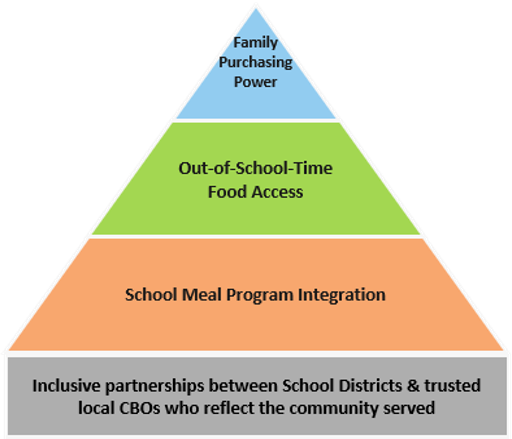
The Blueprint Toolkit translates lessons from school-community food security pilot projects into practical, adaptable guidance. It offers an intervention model, implementation tools, case studies, and resources to support replication.
Pilot Project Learnings
Multi-year funding to foster intentional school-community partnership infrastructure, strategy, and sustainability resulted in:
- Improved access to nutritious food and supportive services for more than 97,000 youth and families across Washington
- Program participation increased by 5x over the grant period, which can likely be attributed to improved access, awareness, and perception of programs over time
- Beyond direct reach, the cohort built durable infrastructure — procedures, referral systems, communications tools, curriculum, and staffing models — to sustain this work beyond the grant
Youth and family voice in program design & implementation resulted in:
- reduced stigma
- culturally responsive supports
- increased program participation
- greater sense of belonging for students and families
In part as a result of multi-year funding and youth/family contributions, school sites became trusted hubs for addressing social drivers of health through innovative solutions co-designed with the community:
- family resource centers
- mobile food distribution and community fridges
- school-based care closets
- cafeteria food recovery and other school kitchen innovations
- culturally grounded food access models incorporating food sovereignty education
| Who should use this toolkit | Outcomes when using this toolkit | How to use sections of the toolkit |
|---|---|---|
| School districts & trusted local community-based organizations | Build inclusive partnerships to strengthen youth and family food access in the district footprint through community-informed solutions that address gaps, reduce stigma, leverage community assets, and are built for sustainability within existing infrastructure. |
|
| Funders & systems partners | Shape investments and resource alignment to replicate this model, supporting project management FTE; time for assessing needs, gathering community input, and aligning goals; and technical assistance to support strategy, evaluation, and sustainability. |
|
Celebrating the impact of our pilot projects!
Bethel School District & Feeding Feasible Feasts
Partnered to improve food access in a large rural district with limited public transportation, low grocery access, and many families who are asset-limited, income-constrained, and employed. The project built on the district's established Family Resource Center, community events, and nutrition services infrastructure to create more reliable access to out-of-school-time food.
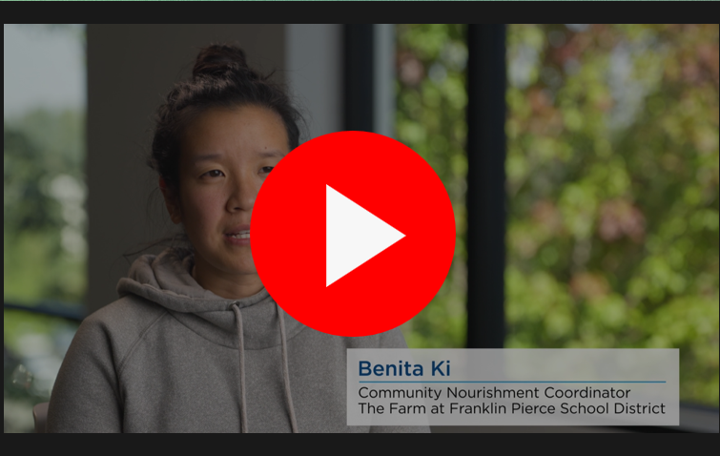
The Farm at Franklin Pierce School District
Leveraged a unique district-operated asset—an 8-acre farm—to improve year-round food access and lay the groundwork for deeper farm-to-school integration. The district hired a Community Nourishment Coordinator to implement the vision of its farm community council and coordinate across nutrition services, family resources, classroom teachers, and community partners.
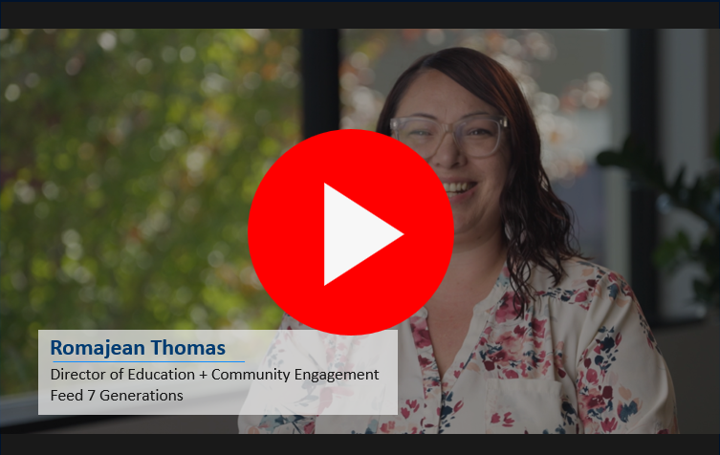
Muckleshoot Tribal School & FEED 7 Generations
Partnered to harmonize the blueprint model with Tribal food sovereignty values and educational priorities. Serving a K–12 school with 100% Native youth enrollment, the project centered land-based learning and traditional food knowledge as core components of student belonging.
Seattle Public Schools & FamilyWorks
Partnered to increase family purchasing power and wraparound support through school-based Family Resource Centers. The project focused on schools with low-income populations and areas with public benefit enrollment gaps, while adapting to the realities of a large, diverse district and the needs of families who may not qualify for public benefits despite significant financial strain.